Promotional pricing: 7 Data-Driven Strategies (and How to Put Them into Practice)
.avif)
Edouard Calliati
Director of Marketing and Business Development
Retail promotions must be based on rigorous data analysis to ensure their profitability. By managing uplift and cannibalization, retailers can turn a risky strategy into a tool for healthy growth. Precise management is vital, as six out of ten promotions today prove to be unprofitable.
Are your retail promotional pricing campaigns quietly eroding your gross margin instead of driving healthy, robust, and truly measurable growth? Between the invisible cannibalization of products and the erosion of perceived value, clearing out inventory without a scientific approach becomes a serious financial risk—one that this article will help you eliminate through seven data-driven strategies. You’ll discover how to master uplift and implement these tactics using artificial intelligence to anticipate competitors’ reactions while securing your market share with surgical precision and sustainably optimized profitability.

Why Running Promotions Is No Longer Enough in Retail
Promotions are no longer just a tool for driving sales volume; they pose a major risk to profitability if they are not data-driven.
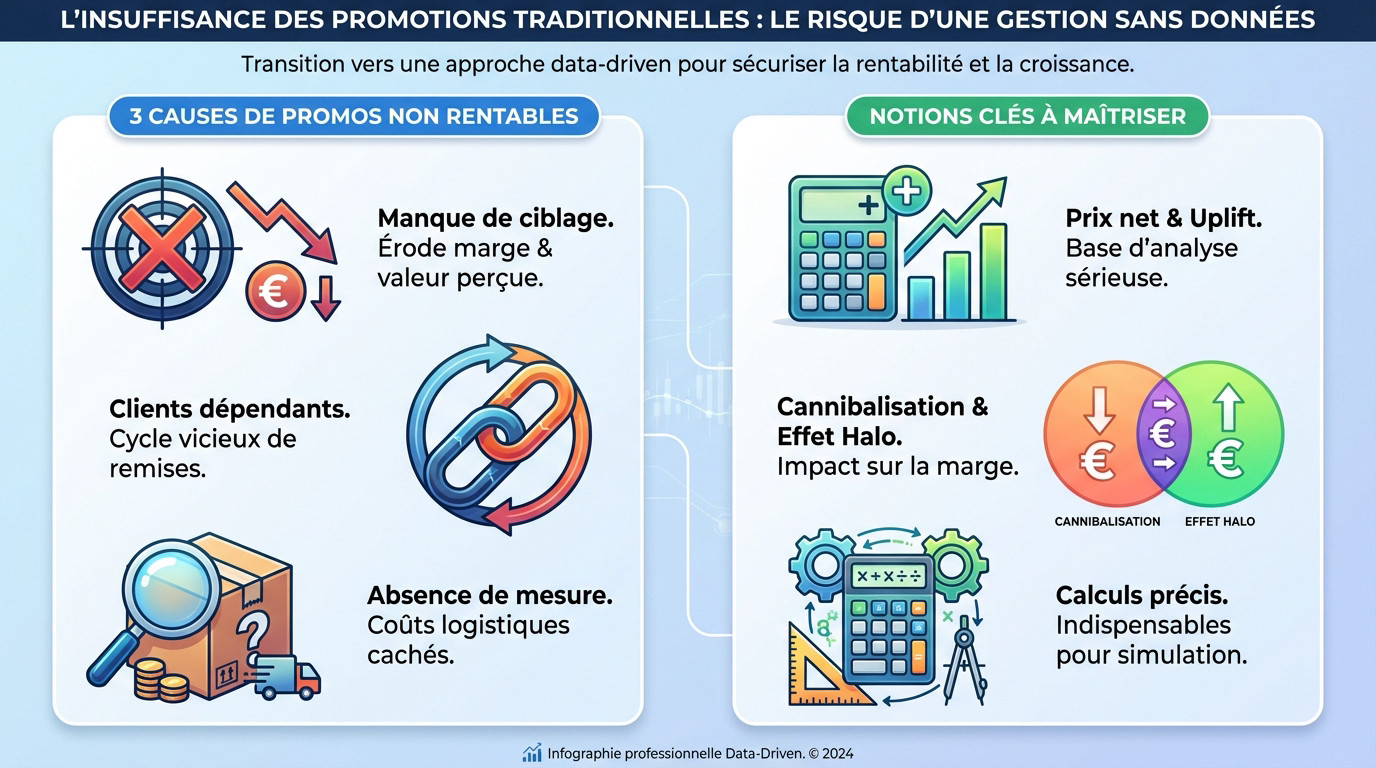
The 3 Common Causes of Unprofitable Promotions
Selling at a discount without a strategy destroys perceived value. A lack of targeting causes a sharp erosion of your gross margin. It’s a fatal mistake for your positioning.
Your customers are getting used to constant discounts. This creates a vicious cycle that’s hard for the retailer to break. Shoppers are always waiting for the next sale.
People often overlook hidden logistics costs. The lack of a true long-term impact assessment skews the results.
Net price, uplift, cannibalization: key concepts to understand
The net price and uplift measure actual sales growth. These metrics form the foundation of any serious analysis. They enable an assessment of sales effectiveness.
Key Definitions
Uplift: the incremental sales generated by a promotion. Cannibalization: the loss of sales of a product due to the promotion of a similar item.
Cannibalization and the halo effect have a direct impact on overall margins. They are two sides of the same coin.
Without these basics, the simulation is impossible. Be precise in your calculations.
The minimum data required to run data-driven promotions
To move from intuition to science, you must first clean up and centralize your data assets.
Sales, net price, costs, inventory, availability
Collect your transaction data: volumes, net prices, and purchase costs. Without this information, calculating your actual margin after discounts becomes an impossible task.
Critical data
The data must be updated daily. Key metrics: purchase cost, real-time inventory, and historical performance by channel (online vs. in-store).
Monitor your inventory in real time. Launching a promotion on a product that’s out of stock is completely pointless.
Data must remain up to date. Daily updates are the minimum standard.
Promotion history + calendar + channels
Analyze your past performance by channel. Online and in-store channels respond differently, requiring adjustments for each touchpoint.
Take seasonality and events into account. Your calendar often dictates how much promotional pressure is needed.
Competition & product matching (if monitoring)
Keep an eye on market prices. Product matching allows you to compare identical items to stay competitive against rivals.
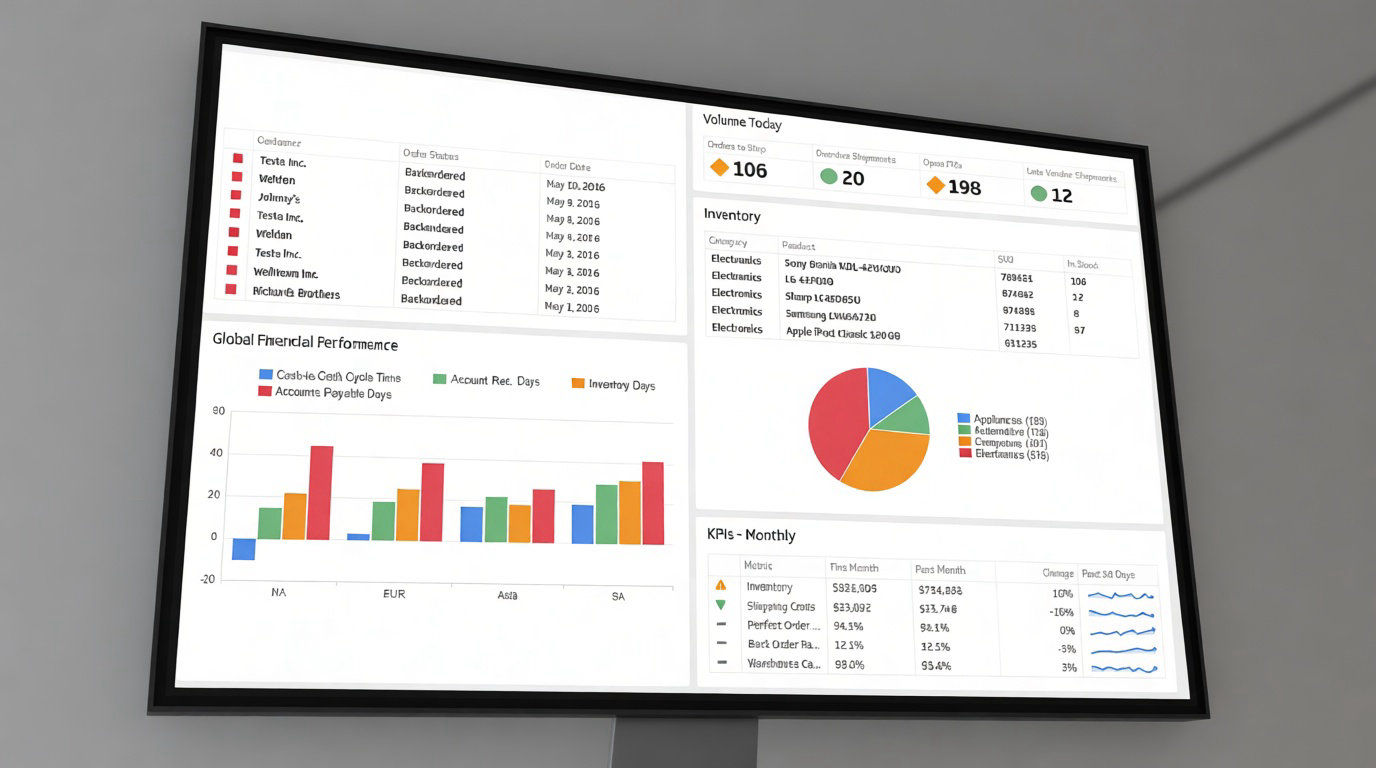
Adjust your pricing strategy based on these figures. But be careful not to blindly follow every price cut by your competitors.
Strategy #1: KVI (price-image) protection with corridors
The first rule is to protect your traffic-generating products—the ones that define your positioning in the eyes of the customer.
Objective
Maintain the appeal of your key products. Prevent customers from perceiving your store as too expensive.
Stabilizing actual in-store traffic for your retail promotional pricing. This is the cornerstone of this tactical approach.
Implementation (rules)
Set specific price ranges relative to the market leader. Apply automatic discounts as soon as the price gap becomes excessive. Monitor the prices of direct competitors daily without fail.
Automate stall alerts. Responsiveness is key here.
Guardrails
Set an absolute minimum price. Never sell at a loss, even to match an aggressive competitor. Protect the minimum gross margin for each relevant product. This is non-negotiable.
KPIs
Monitor the price index and sales volume. Verify that market share on key performance indicators (KPIs) is increasing. Analyze the penetration rate of key products.
Example
A low-priced carton of milk. We price it within 2% of the local discount store to build confidence. This reinforces the perception of low prices. Simple and effective.

Strategy #2: Stock-driven promotions (clearance of excess inventory)
When warehouses are overflowing, promotions become a tool for inventory management to free up cash flow.
Objective
Clear out end-of-line inventory quickly. Drastically reduce storage costs that unnecessarily tie up your valuable operating cash flow.

Clearing out the shelves to make room for new products. It’s all about keeping the selection fresh.
Implementation
To ensure effective retail promotional pricing, use progressive discounts based on the age of the inventory. The longer a product sits on the shelf, the greater the discount.
Target stores with the highest inventory of unsold items. A localized approach pays off.
Guardrails
Strictly limit the duration to prevent customers from getting used to it. Never turn your section into a permanent clearance area, as this would undermine your brand’s image.
KPIs
Track sell-through rates on a daily basis. Measure the inventory turnover rate for the specific items involved in the promotion to adjust your prices in real time.
Example
End-of-season clearance sale on fans in late August. We’re offering a 40% discount so we don’t have to carry this bulky inventory through the entire upcoming winter.
Strategy #3: Segment-driven promotions (customer targeting)
Instead of sending the same message to everyone, use CRM data to personalize your marketing efforts.
Objective
Rewarding the loyalty of your best customers remains the top priority. You want to increase the lifetime value of each segment.
It is also possible to reactivate dormant customers. A targeted offer can prompt an immediate purchase.
Implementation (if CRM data)
Segment your customers by purchase frequency and average order value. Send personalized coupons via the app or by email. It's easy.
Try out exclusive offers for your members. The sense of exclusivity boosts overall engagement. It’s really powerful.
Safeguards (fairness / cannibalization)
Make sure regular customers wouldn’t have made the purchase even without the promotion. Avoid subsidizing purchases they were already planning to make. Don’t waste your profit margin.
KPIs
Track the coupon redemption rate. Measure the incremental revenue generated by the specific target segment. That’s the only metric that matters.
Example
A 15% "birthday" discount offer sent via text message. It targets only customers who haven't made a purchase in three months. Timing is everything.

Strategy #4: Basket-building (bundles / cross-selling)
The idea here isn't to sell at lower prices, but to increase sales at the checkout through smart retail promotional pricing.
Objective
Mechanically boost your average order value (AOV). Encourage customers to discover complementary product categories during the shopping journey starting now.

Increase profitability per transaction. We optimize service costs without any extra effort.
Implementation (bundle, 2+1, cart discount)
Put together complementary bundles, such as a device and its accessories. Apply an instant discount to the second item—the least expensive one in the cart. It’s a powerful strategy.
Use free shipping thresholds strategically. This tactic naturally encourages your customers to add impulse purchases.
Guardrails (mixed margin)
Keep a close eye on the weighted margin for the entire batch. Under no circumstances should you combine two low-margin products into the same promotional bundle to minimize cannibalization. This is crucial.
KPIs
Analyze trends in the number of items per shopping cart. Closely monitor the penetration rate of loss leaders to assess the effectiveness of your product lineup. Don’t overlook any metrics.
Example
Launch a "Buy two, get one free" promotion on your consumables. Customers will then double their originally planned purchase volume, thereby securing your market share. Inventory sells out quickly.
Strategy #5: Competitive Response (Controlled Tactics)
Don't let your competitors clear out your shelves with aggressive offers without responding strategically.
Objective
The goal is to defend your local market share. We need to put a stop to customers switching to our direct competitors.

Show that you remain competitive. This is an active defensive strategy.
Implementation (thresholds + duration)
Activate temporary price reductions on matched items. Limit the promotion strictly to the duration of the competitor’s promotion. Never exceed this specific time frame.
Promote this lineup locally. Display clear signage in-store.
Safeguards (floor price / KVI)
Don't fall into the trap of listing your entire catalog. Focus only on high-visibility products. Keep an eye on your minimum prices to avoid selling at a loss.
KPIs
Monitor your promotional share of voice and traffic. The number of transactions should remain stable. Make sure the overall margin doesn't plummet.
Example
A competitor launches a 20% discount on diapers. You immediately respond with an identical offer for 48 hours. This neutralizes the competitor’s advantage without unnecessarily selling off your inventory.
Strategy #6: Test and learn (A/B testing / holdout) to gain insights
Stop guessing about the elasticity of your products and start measuring it scientifically.
Objective
The idea is to identify the ideal discount for each category. We want to see if customers are actually responding to the price.
This helps stem the loss of profit margins. Future regulations will be much more specific.
Easy implementation (category-based control)
Set aside one group of stores for the test and another as a control group. Run the promotion only on the first group.

Review the data after two weeks of testing. The difference in performance between the two areas reveals the net uplift.
Guidelines (volumes, season)
Choose off-peak periods for your experiments. The holiday season skews purchasing behavior and renders the data unusable.
KPIs
Compare the difference in uplift between your two groups. Calculate exactly how much margin you’re giving up relative to the actual gain.
Example
Try offering a 10% discount instead of 20% on coffee. You'll often find thata small discount is more than enough.
Strategy #7: Calendar-driven (promotional plan + forecast)
Planning ahead allows you to coordinate purchasing, logistics, and marketing for maximum impact.
Objective
Anticipating seasonal spikes in demand remains a priority. Ensuring product availability during peak periods.
Streamline warehouse operations. This delivers significant efficiency gains for your internal teams.
Implementation (timeline, forecasts, inventory allocation)
Developing an annual sales promotion plan requires meticulous attention to detail. Using predictive models is very helpful. Estimating the required volumes by region helps avoid errors in geographic allocation.
Secure inventory from suppliers. Ensuring a reliable supply is critical to success.
KPIs
Sales Forecast Accuracy. Measure the out-of-stock rate during the promotional event. Analyze the discrepancies between actual sales and initial estimates to make adjustments.
Example
Preparing for Black Friday six months in advance. We confirm order volumes and discounts with our partner brands. This helps us secure logistics capacity without any stress.

How to implement: the “end-to-end” promotional process
A good strategy is worthless without rigorous execution and clear validation workflows.
1) Brief (objective + scope + constraints)
Define each operation with specific objectives. List the relevant products, including start and end dates. This clarity helps prevent costly operational deviations.
Identify your minimum margin requirements. Don’t launch anything without these clear limits in place to protect your profits.
2) Simulation (uplift vs. margin vs. cannibalization)
Run data-driven scenarios before finalizing your plans. Estimate the impact on sales of substitute products on the shelf. Anticipating cannibalization often safeguards your overall profitability.
Calculate the break-even point for the operation. How many units must be sold to remain profitable despite the discount?
3) Validation (thresholds, exceptions, channels)
Submit the plan to the category managers. Approve exceptions for specific stores or websites.
Lock in the prices in the back office. This isthe point of no return.
4) Fulfillment (retail stores / e-commerce / marketplaces)
Upload product listings and web banners. Ensure price consistency across all active marketplaces.

Check the actual display on the shelf. The field must follow headquarters.
5) Real-time monitoring (anomalies, inventory, variances)
Monitor sales in real time. Identify stockouts early so you can take quick action.
Correct pricing errors immediately. Every minute counts when it comes to profit margins.
6) Post-mortem (lessons learned & guidelines)
Analyze the final results against the brief. Note what worked and what didn't.
Update the business rules. Improvements must be ongoing and documented.
Comparison chart: Which strategy should you choose based on your goal?
Selling at rock-bottom prices without thinking it through will drain your cash flow. To effectively manage your retail promotional pricing, every discount should serve a *specific purpose*. Here’s a summary to help you make decisions based on your current business priorities.
Summary of promotional strategies
Checklist: Before Launching a Promotion (Avoid Mistakes)
Before clicking the "Broadcast" button, make sure your project meets these essential criteria.
Mandatory checkpoints
Launching a retail promotional pricing campaign without a safety net is like playing with fire. If a promotion isn’t set up properly in the ERP system, your margins will evaporate. Here are the safeguards you need to put in place to protect your profits.
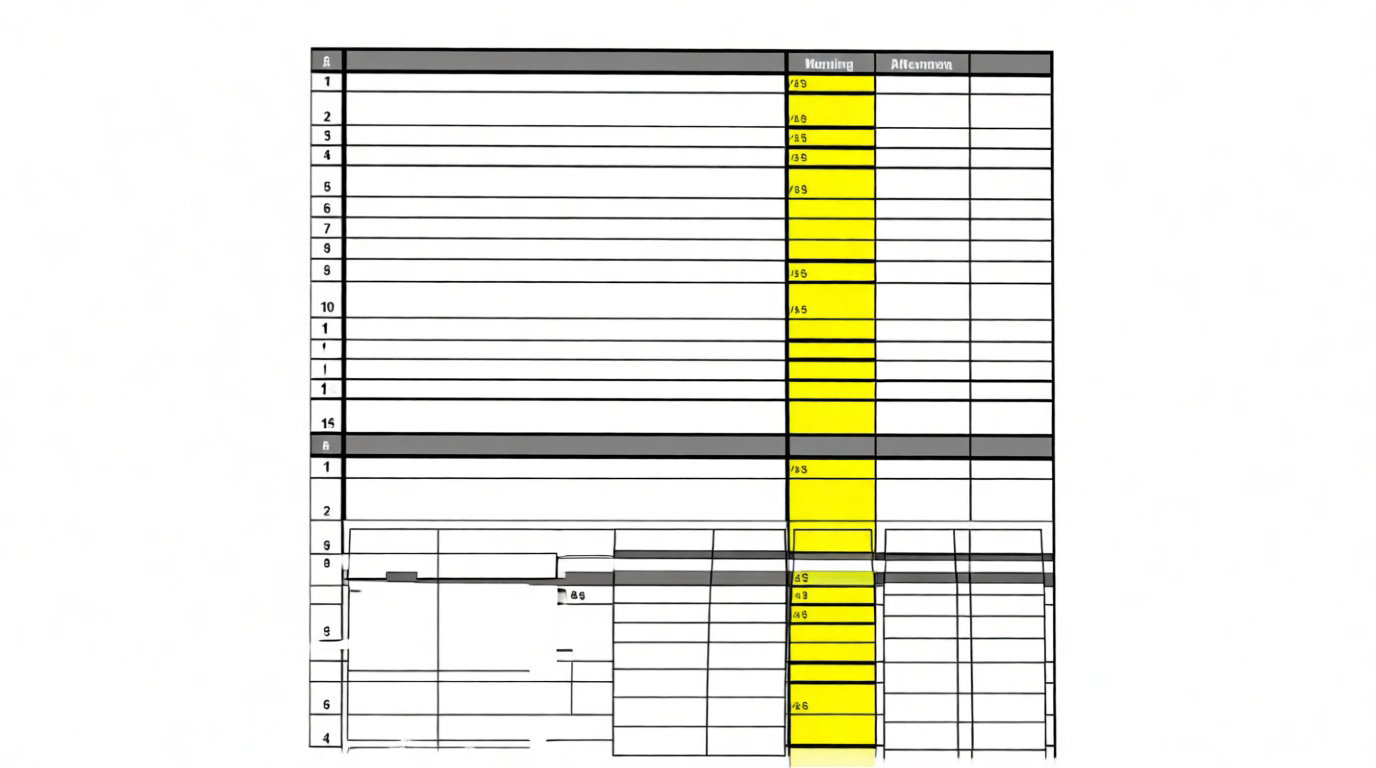
- Checking available inventory and pending shipments.
- Verification of the net price after the discount against the break-even point.
- Consistent pricing across the website, the app, and physical stores.
- Correct configuration of activation dates and times in the ERP system.
- Up-to-date product matching to monitor competitors' responses.
- Availability of marketing materials (banners, labels).
1. Inventory check
2. Net price vs. loss threshold
3. Omnichannel price consistency
4. ERP scheduling
5. Competitor matching
6. Marketing Asset Readiness
Conclusion: fewer promotions, but more profitable ones
In short, the future of retail does not lie in blanket discounts, but in the surgical precision with which every euro is invested. Raw data and testing transform your discounts. Promotions are finally becoming a driver of healthy growth again.

Take a gradual approach to pricing. Start by testing a strategy in a single category. Measure the actual gains before rolling it out across your entire catalog. This is how you’ll protect your profit margin from erosion over the long term.
The tool never replaces your business insight. Technology supports you, but the final decision remains in your hands. Be bold in your testing, but always exercise the necessary caution.
Using data to drive your retail promotional pricing strategy turns every discount into a precise tool for boosting profitability. By leveraging AI to simulate uplift, you protect your margins and regain control of your performance right now. Don’t let intuition undermine your value any longer: analytical excellence is the engine of your future growth.
Frequently Asked Questions
Articles similar

Building a high-performing pricing team requires adopting a hybrid model that combines centralized strategy with local agility. This transition replaces intuition with data-driven decisions, guided by specialized roles and strict governance.
This proactive management directly improves financial performance, enabling companies to aim for an increase in profitability of between 100 and 500 basis points.

In response to the radical price transparency of 2026, the retail sector is adopting automated management. This strategy protects margins against inflation by ensuring immediate responsiveness across all channels.
A high-performance tool guarantees a return on investment in less than six months, making pricing a cornerstone of net profitability.

Product matching is the foundation of competitive monitoring because it prevents the comparison of non-equivalent products. Reliable product matching safeguards margins by basing repricing on real-time, multi-source data.
Key finding: According to the Diamart study, 50% of French retailers still consider this challenge to be unresolved.