













Furniture and DecorNo. 1 · 2026Moving Away from the "All-Promotions" Approach: Restoring Credibility to Furniture Pricing
The French furniture market declined for three consecutive years and was worth only €13.6 billion in 2025.
DownloadSofas, bedding, storage solutions, lighting, home textiles, decorative items: products rarely are the same from one retailer to another; collections change frequently, and pricing depends on shipping costs. BOOPER helps furniture and home decor retailers position themselves in the market and manage their collections, from launch to discontinuation.


Customers compare styles, sizes, materials, and prices including shipping; they rarely look for an exact product code.
In a Nutshell:Pricing for furniture and home decor involves setting a price for each product that balances sales, profit margins, and price perception, while taking into account the specific characteristics of the industry. BOOPER, a French pricing software provider since 2014, combines AI and business rules to recommend these prices, simulate them before implementation, and measure their impact.
01
Brands, sizes, materials: Comparing products means looking at similar items, not identical ones.
02
Decor follows trends and seasons; unsold items quickly lose their appeal.
03
Customers spend a long time comparing options, both online and in stores, before buying a sofa or bedding.
04
The price quoted includes shipping, installation, and lead times.
With no exact equivalent among competitors, traditional price surveys do not provide any actionable insights.
Compare similar products based on their descriptions and features (dimensions, material, style) to determine your pricing.
Products from a previous collection remain on the shelves and in the warehouse, delaying the arrival of the next one.
Gradual markdowns planned based on inventory levels and the collection's renewal date.
The same discount rates for everyone, without measuring how much each price reduction actually brought in.
Recommendations on discount levels by product and a summary of each sales event.
Monitoring competitors' prices, comparing products, and tracking price changes: this is the day-to-day work of a pricing team using BOOPER, tailored to your industry.
| Product | Your price | Contestant A | Contestant B | Gap | Status |
|---|---|---|---|---|---|
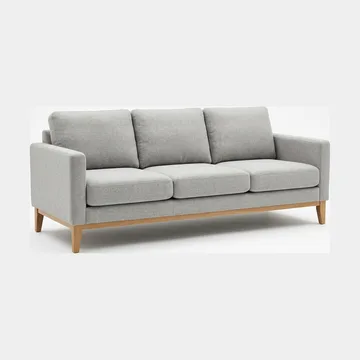
3-Seater Sofa in Gray Fabric | €839.00 | €799.00 | €869.00 | +5.0% | Above the market |
Yellow Fabric Armchair | 170.00 € | €169.00 | €189.00 | +0.6% | Aligned |
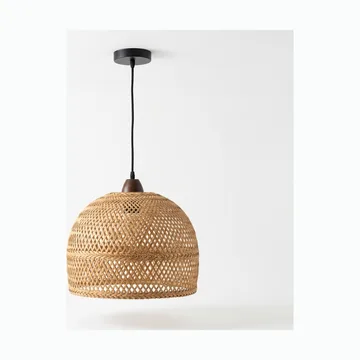
Bamboo Pendant Light, Ø 40 cm | €50.49 | 54.90 € | €64.90 | -8.0% | Profit Margin to Be Recovered |
Round Side Table, Ø 40 cm | €39.90 | €42.00 | €34.90 | +14.3% | Above the market |
Illustration, fictional products and prices
3-Seater Sofa in Gray Fabric
3-Seater Reclining Sofa in Light Gray Fabric
Illustration, fictional data
A single platform—the BOOPER MPS pricing software—where you can activate the modules relevant to your business, supported by a team of pricing experts.
Matching relies on natural language processing to read product descriptions and specifications (dimensions, material, number of seats, etc.) and identify similar products. Each match is assigned a confidence score, and your teams review and approve any uncertain cases.
| Location | Without a special tool | With BOOPER |
|---|---|---|
| Compare Yourself to the Market | Some reviews of similar products | Similar products automatically suggested |
| End of Line | Sold in bulk, late | Planned Gradual Price Reduction |
| Sales | Same discount for everyone | Recommended discount level by product |
| Price, including shipping | Shipping not included in the comparison | Shipping costs included in the price |
Do you want to position yourself in the market, even without identical products?
30 minutes with a pricing expert to review your challenges and see the platform in action using a case study similar to yours.
Results observed among our clients across all industries. We have supported approximately 50 companies since 2014, 30 of which are major clients still working with us today.
We compare a selection of products (sofas, bedding, lighting, etc.) with similar competing products and analyze your most recent markdowns.
Your data (sales, pricing, catalog, purchases) is uploaded via the Data Loader—no connector is required to get started—and then validated. Pricing rules are developed in collaboration with your teams.
The AI's recommendations are validated by your teams, their effects are measured, and the rules are adjusted. You retain control over every decision.
By matching similar products—rather than identical ones—based on their characteristics. Product matching analyzes product descriptions and characteristics (dimensions, material, number of seats, style) and matches your products to their equivalents from competitors. Each match is assigned a confidence score validated by your teams, which allows you to set your prices even without an exact match. The product matching entry in the glossary explains how it works.
By recommending a markdown level for each product rather than a single rate for all. Using Markdown, the platform takes into account inventory, sales velocity, and the end date of the collection. The promotions management system then measures the results of each sales cycle to adjust the next one. The 30-day reference price is automatically checked before each strike-through price is announced.
Plan your markdowns as soon as the collection’s renewal date is known. BOOPER recommends a gradual price reduction rather than a bulk mardown, depending on the inventory and sales pace of each product. This allows you to make room for the new collection without devaluing your prices or getting your customers into the habit of waiting until the end of the season to make a purchase.
Yes. Pricing can include the delivered price (delivery and assembly) to compare what the customer actually pays. This is essential for bulky products, where delivery costs play a major role in the decision-making process: a sofa that’s cheaper but has higher delivery costs isn’t actually cheaper for the customer. The rules in the BOOPER MPS pricing software can apply to the listed price, the delivered price, or both.
Retail chains, specialized websites, and marketplaces—supplemented by your in-store price checks, which Booper integrates. Price checks and web scraping consolidate these sources into a single view. Our article on how marketplaces are revolutionizing price monitoring explains why they must be included in the scope.
Pricing software tailored to a furniture and home decor retailer must be able to match similar products without identical SKUs, incorporate delivery costs, and manage sales and end-of-life collections. BOOPER combines these capabilities into a single platform—the BOOPER MPS pricing software—where users can activate the relevant modules: product matching, price tracking and web scraping, markdown and “ markdown ,” and promotion management. BOOPER, a French pricing software provider since 2014, supports approximately 50 companies in France, Poland, Vietnam, and Thailand, across more than 4,000 points of sale and €44 billion in managed revenue. Our clients generally see an increase in margins of +0.5 to +3 percentage points within a few months. To compare solutions on the market, check out our retail pricing software comparison.
A deployment typically takes 2 to 4 months, depending on the scope and data quality. Your files (sales, pricing, catalog, purchasing) are uploaded via the Data Loader—no connector is required to get started—and are then verified and validated. Pricing rules are developed in collaboration with your teams, who approve each recommendation before it goes live. Many customers start with a “ price diagnostic ” on one or two categories to assess the potential, then expand the scope once the initial gains have been measured.
Scroll down to discover the other 15 industries: each page details the pricing challenges in that industry and BOOPER’s solution.
A crucial Christmas, closely compared deals, thoughtful baby-care purchases, and the post-holiday cleanup.
View the sector →SectorSeasonal collections, sizes and colors, national brands, and private labels.
View the sector →SectorUnregulated pricing (OTC, drugstore, dermocosmetics), network consistency, online competition.
View the sector →SectorOrganic retailers and organic sections: perceived price premium, flagship products, fresh produce, bulk items, and seasonality.
View the sector →SectorChain restaurants, institutional food service, and foodservice distributors: prices per dish, per channel, per location, and per customer.
View the sector →SectorPricing for loss leaders, the Egalim framework, promotions, and markdowns on fresh produce.
View the sector →SectorRetailers, wholesalers, cash-and-carry stores: net prices by customer, discounts, passing on purchase price increases.
View the sector →SectorShelf prices by retailer, promotional performance, annual negotiations, and price increases.
View the sector →SectorParts, tires, and accessories: long list of product codes, instant comparison, seasonality.
View the sector →SectorPrice per milliliter, multiple channels, a packed promotional schedule, and a brand image to protect.
View the sector →SectorHuge product ranges, business and retail customers, and volatile raw material prices.
View the sector →SectorConsistent product listings across all channels, promotional highlights, and product line updates.
View the sector →SectorList prices and key account contracts, back-to-school season, generic catalog.
View the sector →SectorPrices that drop every week, complete transparency, and product end-of-life.
View the sector →SectorExtreme seasonality, perishable produce, multiple categories, and product assortments that need to be streamlined.
View the sector →OverviewRetail, B2B distribution, brands, pharmacies, food service: Find all these sectors on a single page.
View all sectors →Let's see how you can position your products alongside those of your competitors and manage your collections.
Let's discuss your pricing